








No products in the cart.
Why Millets in UK Are Gaining Popularity for Healthy Eating

Walk into any health food shop today and you will notice something interesting. Alongside oats, quinoa, and brown rice, millets are quietly earning more shelf space than ever before. A few years ago, most people in Britain associated these grains with traditional South Asian cooking. Now they are appearing in breakfast bowls, salads, family dinners, and even homemade baking recipes.
For many households, the shift is not really about following a trend. It is about finding foods that are simple, versatile, and less processed. That is one reason Millets in UK have started attracting attention from health-conscious shoppers, busy parents, fitness enthusiasts, and people looking to add more variety to their meals. They fit naturally into modern lifestyles while still carrying the comfort and familiarity of traditional cooking.
What Exactly Are Millets?
Millets are a group of small-seeded cereal grains that have been cultivated for thousands of years across Asia and Africa. Long before quinoa became popular, communities were cooking with millets because they were nutritious, filling, and adaptable to different climates.
In Indian and Sri Lankan homes, millets have traditionally been used to make porridges, rotis, dosas, khichdi, and rice-style dishes. Today, they are increasingly available through Authentic Foods UK retailers and specialist grocery stores, making them much easier to find than they were a decade ago.
The most common varieties you will see in the UK include:
- Finger Millet (Ragi) – earthy flavour and often used in porridge or baking.
- Pearl Millet (Bajra) – popular for rotis and hearty meals.
- Foxtail Millet – a mild-tasting alternative to rice.
- Little Millet – cooks relatively quickly and works well in everyday dishes.
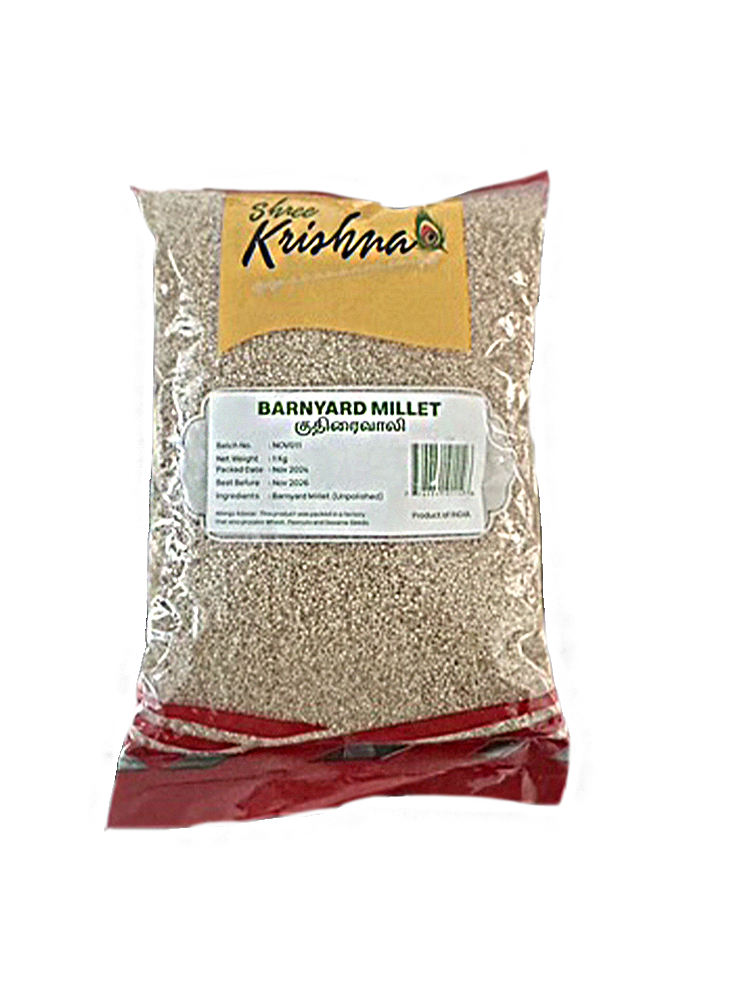
- Barnyard Millet – light and fluffy when cooked.
- Kodo Millet – often used as a rice substitute in savoury meals.
Millets at a Glance
| Millet Type | Flavour | Best For | Popular Uses |
| Finger Millet (Ragi) | Earthy | Calcium-rich recipes | Porridge, baking, dosa |
| Pearl Millet (Bajra) | Nutty | Traditional meals | Rotis, khichdi |
| Foxtail Millet | Mild | Rice replacement | Pulao, salads |
| Little Millet | Light | Everyday cooking | Upma, pulao |
| Barnyard Millet | Soft | Light meals | Porridge, khichdi |
| Kodo Millet | Mild | Family dinners | Rice alternatives |
Why Are Millets Becoming More Popular?
Several factors are driving this renewed interest, but it is worth looking at them realistically rather than assuming millets are a miracle food.
What people genuinely like about millets
- They add variety to meals that would otherwise rely heavily on rice or wheat.
- Many varieties contain fibre, plant-based protein, vitamins, and minerals.
- They work well in vegetarian and vegan cooking.
- They can be used in both traditional and modern recipes.
- They are increasingly easy to buy online.
A More Balanced View on Nutrition
One reason people are curious about millets is their nutritional profile. Many varieties contain fibre, iron, magnesium, and other nutrients that contribute to a balanced diet. However, it’s important not to oversell them.
A useful reality check:
Millets are nutritious, but they are not a magic solution that automatically makes a diet healthy. What matters most is the overall pattern of eating-plenty of vegetables, adequate protein, whole foods, and reasonable portion sizes.
That said, replacing some highly refined grains with whole grains such as millet can be a practical step for people who want more variety and less reliance on heavily processed foods.
Do They Fit Modern Diets?
For many people, yes.
Millets can be suitable for:
- Vegetarian diets
- Vegan lifestyles
- Plant-based meal plans
- Gluten-free diets (provided the product is processed without cross-contamination)
This flexibility is one reason they are appearing in everything from office lunchboxes to weekend meal-prep recipes.
What Are the Health Benefits?
Without making exaggerated claims, millets can contribute to a balanced diet in several ways:
- Fibre: Many varieties provide dietary fibre, which is helpful for overall digestive health.
- Plant-Based Protein: Useful for people looking to diversify their protein sources.
- Iron and Calcium: Certain varieties, particularly finger millet, are known for their mineral content.
- Steady Energy: Whole grains are often digested more gradually than heavily refined grains.
- Gluten-Free Options: Suitable for many people who avoid gluten.
One caveat:
If someone has specific medical conditions or dietary requirements, millets should be viewed as part of a balanced eating pattern, not as a substitute for professional nutrition advice.
Easy Ways to Start Eating More Millets
This is where many articles become unrealistic, suggesting complicated recipes that people never actually make. In practice, the easiest approach is to swap millets into meals you already enjoy.
Popular Millets and How to Cook Them
| Millet | Approximate Cooking Time | Best Used In |
| Finger Millet (Ragi) | 10–15 minutes (for flour-based recipes) | Porridge, baking |
| Pearl Millet (Bajra) | 20–25 minutes | Rotis, khichdi |
| Foxtail Millet | 15–20 minutes | Pulao, salads |
| Little Millet | 15–20 minutes | Upma, pulao |
| Barnyard Millet | 15–20 minutes | Khichdi, porridge |
| Kodo Millet | 20–25 minutes | Rice alternatives |
For Breakfast
- Ragi porridge with fruit and nuts
- Millet breakfast bowls with yoghurt and berries
- Millet pancakes made with millet flour
For Lunch
- Foxtail millet salad with roasted vegetables
- Millet and lentil bowls
- Leftover millet mixed into soups
For Dinner
- Vegetable millet pulao
- Millet khichdi
- Bajra rotis served with curries
For Snacks
- Millet crackers
- Energy bites made with millet flour
- Homemade savoury snack mixes
A practical tip that many beginners find helpful
If you are unsure whether you will like millets, do not replace rice completely. Start by mixing half rice and half millet in dishes such as pulao or khichdi. The texture is usually easier to adjust to, and most people find the transition much more natural.
What to Look for When Buying Millets in the UK
Once you have decided to include millets in your weekly meals, the next step is choosing good-quality products. While most millet varieties look similar at first glance, there can be noticeable differences in freshness, texture, and cooking results depending on where you buy them.
If you have ever cooked rice that turned sticky when it should not have or spices that lacked aroma, you will know that quality ingredients can make a real difference. The same applies to millets.
Here are a few things worth checking before adding them to your shopping basket.
| What to Check | Why It Matters |
| Product Quality | Better flavour, texture, and freshness. |
| Packaging | Airtight packaging helps maintain quality during storage. |
| Organic Options | A popular choice for shoppers who prefer organically grown products. |
| Variety Available | Different millets suit different recipes, so having a choice is useful. |
| Trusted Retailer | Reputable retailers are more likely to stock recognised brands and fresh products. |
| Customer Reviews | Reviews can offer helpful insights into quality and cooking results. |
Don’t Buy More Than You Need at First
If you are trying millets for the first time, there is no need to buy several large packs straight away.
Start with one variety-Foxtail Millet is often a good option because its mild flavour makes it an easy substitute for rice. Once you are comfortable cooking it, you can experiment with other varieties such as Ragi or Bajra.
Check the Best Before Date
Millets have a good shelf life, but fresher grains generally cook more evenly and deliver a better texture. Always take a quick look at the packaging before purchasing.
Store Them Properly
After opening the packet, transfer the grains to an airtight container and keep them in a cool, dry cupboard away from direct sunlight. If you don’t cook with millets regularly, storing them in the refrigerator during warmer months can help maintain freshness for longer.
These simple steps can make a noticeable difference when you are preparing meals at home.
Where to Buy Quality Millets in the UK
A decade ago, finding different millet varieties often meant visiting a specialist grocery shop in a large city. Today, they are much more accessible.
Whether you live in London, Manchester, Birmingham, Glasgow, or a smaller town, it is now possible to order quality grains online and have them delivered to your doorstep.
Many shoppers discover millets while browsing for Indian Groceries Online in UK, where they are often available alongside lentils, flours, pulses, pickles, and everyday pantry essentials.
Some of the best places to look include:
- Specialist South Asian grocery stores
- Independent Indian grocery retailers
- Health food shops
- Organic food stores
- Online grocery websites
Why Many People Prefer Shopping Online
Online grocery shopping has become part of everyday life in the UK, and specialist food retailers have made it easier than ever to access authentic ingredients.
Some of the benefits include:
A wider range of products
Unlike many supermarkets, specialist retailers usually stock several millet varieties, giving you more choice depending on what you’re planning to cook.
Easy product comparisons
You can compare brands, pack sizes, ingredients, and customer reviews before making a decision, helping you shop with confidence.
Convenient home delivery
Instead of travelling between different shops, everything arrives in one delivery-particularly helpful if your local area has limited specialist grocery stores.
Access to authentic brands
When shopping with established South Asian retailers, you are more likely to find products that families have trusted for years.
If you are already ordering Indian Rice in UK, lentils, or Indian Spices UK, adding a packet of millet to your next grocery order is an easy way to introduce something new into your weekly menu.
Many customers also combine their purchases with fresh produce from suppliers offering Indian Vegetables UK, making it simple to prepare complete home-cooked meals inspired by Indian and Sri Lankan cuisine.
Why More UK Families Are Choosing Millets
Talk to people who cook regularly, and you will often hear the same thing-they are simply looking for more variety.
Rice, pasta, and potatoes will always have a place in British kitchens, but many households now enjoy rotating different grains throughout the week. Millets fit naturally into that approach because they are easy to cook, adaptable, and work well with both traditional and contemporary recipes.
Parents appreciate that millets can be used in family meals without dramatically changing familiar flavours. Home cooks enjoy experimenting with different textures, while those following vegetarian or plant-based diets often welcome another versatile ingredient in the cupboard.
There is also a growing appreciation for traditional foods that have stood the test of time. Instead of chasing every new superfood trend, many shoppers are rediscovering ingredients that have been enjoyed for generations across South Asia.
Another reason for their growing popularity is convenience. Reliable online retailers mean you no longer need to search multiple shops to find authentic ingredients. Everything from grains and flours to snacks, spices, and pantry staples can now be ordered from one place, saving both time and effort.
Conclusion
Healthy eating does not have to mean completely changing the way you cook. Sometimes, it is the small changes that make the biggest difference, and introducing millets into your weekly meals is one simple way to add more variety to your diet.
Whether you enjoy a comforting bowl of millet porridge in the morning, a wholesome vegetable pulao for dinner, or freshly made Bajra rotis with your favourite curry, these traditional grains offer plenty of possibilities for everyday cooking. They are versatile, satisfying, and easy to pair with the ingredients many families already use at home.
At Global Foods, we understand that finding authentic South Asian ingredients should not be difficult, no matter where you live in the UK. That is why we carefully stock a wide range of quality grocery essentials, including premium millet varieties, rice, spices, fresh vegetables, snacks, frozen foods, and much more.
Whether you are preparing traditional family recipes or trying millets for the very first time, we are here to help you find the right products for your kitchen.
Explore our range of authentic groceries today, and if you have any questions about choosing the right millet variety or other pantry essentials, contact Global Foods. Our team is always happy to help you discover ingredients that bring authentic flavours to your table.
Frequently Asked Questions (FAQs)
1. Which millet is the easiest to cook for beginners?
Foxtail Millet is often recommended for beginners because it has a mild flavour and fluffy texture that closely resembles rice. It is an excellent starting point if you are trying millets for the first time.
2. Do I need to soak millets before cooking?
Not always. Most millets only need a good rinse before cooking. However, soaking them for 20 to 30 minutes can help some varieties cook a little faster and produce a softer texture.
3. What foods pair well with millets?
Millets work well with vegetable curries, lentil dishes, grilled vegetables, soups, salads, yoghurt, and traditional Indian recipes. They also make a great alternative to rice in pulao and khichdi.
4. Where can I buy authentic millets in the UK?
You can find quality millet varieties through trusted online South Asian grocery retailers and specialist food stores that stock authentic pantry staples, grains, spices, and fresh produce with convenient UK-wide delivery.
5. How should I store millets after opening the packet?
Transfer the grains into an airtight container and store them in a cool, dry place away from moisture and direct sunlight. If you don’t use them regularly, refrigeration can help keep them fresher for longer.
 Home
Home  Whishlist
  Compare
  Checkout
  Account