








No products in the cart.
Jaggery in UK: Health Benefits and Everyday Uses
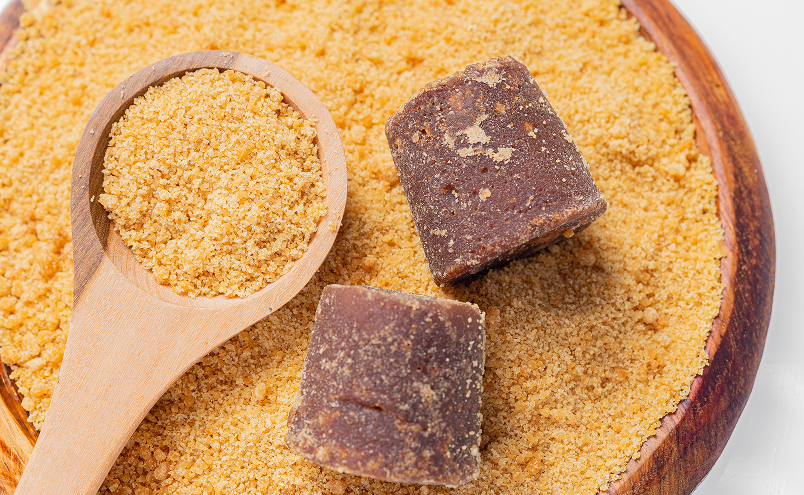
For generations, jaggery has been a kitchen essential across South Asia. Whether stirred into a cup of chai, melted into traditional desserts, or used to balance the flavours of savoury dishes, this natural sweetener has earned its place in countless family recipes. Its rich, caramel-like taste and simple production process set it apart from refined white sugar, making it a favourite ingredient for home cooks who value authentic flavours.
Today, Jaggery in UK is becoming easier to find than ever before. As more people explore world cuisines and look for less processed pantry staples, jaggery has found its way into British kitchens beyond the South Asian community. Thanks to trusted retailers offering Authentic South Asian Foods Online UK, shoppers can enjoy this traditional ingredient wherever they live.
If you are new to jaggery or wondering how to use it in everyday cooking, this guide will explain what it is, why it is becoming increasingly popular, and how it can bring authentic flavour to your favourite recipes.
What Is Jaggery?
Jaggery is an unrefined natural sweetener traditionally made by slowly boiling fresh sugarcane juice or palm sap until it thickens and solidifies. Unlike refined sugar, which goes through several stages of processing, jaggery is produced using a much simpler method that preserves its characteristic colour, flavour, and natural goodness.
Its colour can range from golden brown to deep amber, depending on the variety and how it is prepared. More importantly, jaggery offers a rich, mellow sweetness with subtle caramel notes that many people find more satisfying than ordinary white sugar.
Across India, Sri Lanka, Bangladesh, Nepal, and Pakistan, jaggery has been used for centuries in both festive dishes and everyday meals. Today, it is becoming a familiar sight in specialist food shops and online grocery stores throughout the UK as more people discover its versatility.
Why Is Jaggery Different from Refined Sugar?
Although both jaggery and refined sugar often come from sugarcane, they are produced very differently.
Refined sugar is heavily processed to create a uniform white crystal, whereas jaggery is made with minimal processing. This traditional approach gives it a distinctive taste and makes it a popular choice for recipes where flavour matters just as much as sweetness.
Here are some of the key differences:
| Feature | Jaggery | Refined Sugar |
| Processing | Minimally processed | Highly processed |
| Nutrients | Naturally contains small amounts of minerals | Very limited natural minerals |
| Colour | Golden to dark brown | White |
| Flavour | Rich, caramel-like | Sweet with a neutral taste |
| Common Uses | Traditional cooking, desserts, drinks and snacks | General sweetening |
Rather than replacing sugar in every recipe, many cooks choose jaggery because it adds depth of flavour that refined sugar simply cannot provide.
Types of Jaggery
Not all jaggery is the same. Different varieties offer unique flavours and are suited to different recipes.
Sugarcane Jaggery
Sugarcane jaggery is the variety most commonly found in households. Made from freshly extracted sugarcane juice, it has a balanced sweetness and works well in both sweet and savoury cooking.
It is commonly available as:
- Solid blocks
- Small cubes
- Powder
- Fine granules
Because it dissolves easily, powdered jaggery is particularly convenient for drinks and baking.
Ajwa Jaggery
Ajwa jaggery is a traditional variety valued for its rich flavour and smooth texture. Made using carefully processed sugarcane juice, it is widely used in South Asian households for preparing both everyday meals and festive treats. Its balanced sweetness and deep caramel notes make it a versatile ingredient for a wide range of recipes.
It is commonly used for:
- Traditional Indian and Sri Lankan sweets
- Homemade desserts
- Sweet rice dishes
- Hot drinks such as chai
- Authentic festive recipes
Jaggery Ball (Brown)
Jaggery Ball (Brown) is a traditional form of jaggery shaped into convenient round balls. Made from concentrated sugarcane juice, it has a rich brown colour, a smooth texture, and a deep caramel-like sweetness. Its easy-to-handle shape makes it a practical choice for both everyday cooking and traditional recipes.
It is commonly used for:
- Sweetening tea, coffee, and traditional beverages
- Preparing desserts such as kheer, halwa, and ladoo
- Making chutneys and savoury dishes
- Homemade snacks and festive treats
- Baking and everyday cooking
Jaggery Ball (Yellow)
Jaggery Ball (Yellow) is a popular variety of traditional jaggery known for its light golden colour, mild sweetness, and smooth texture. Made from carefully processed sugarcane juice, it is widely used in South Asian cooking where a delicate sweetness is preferred. Its rounded shape makes it easy to store, grate, or break into smaller pieces for everyday use.
It is commonly used for:
- Sweetening tea, coffee, and warm milk
- Preparing traditional desserts such as kheer, payasam, and pongal
- Making homemade sweets and festive treats
- Adding natural sweetness to curries, chutneys, and sauces
- Everyday cooking and baking
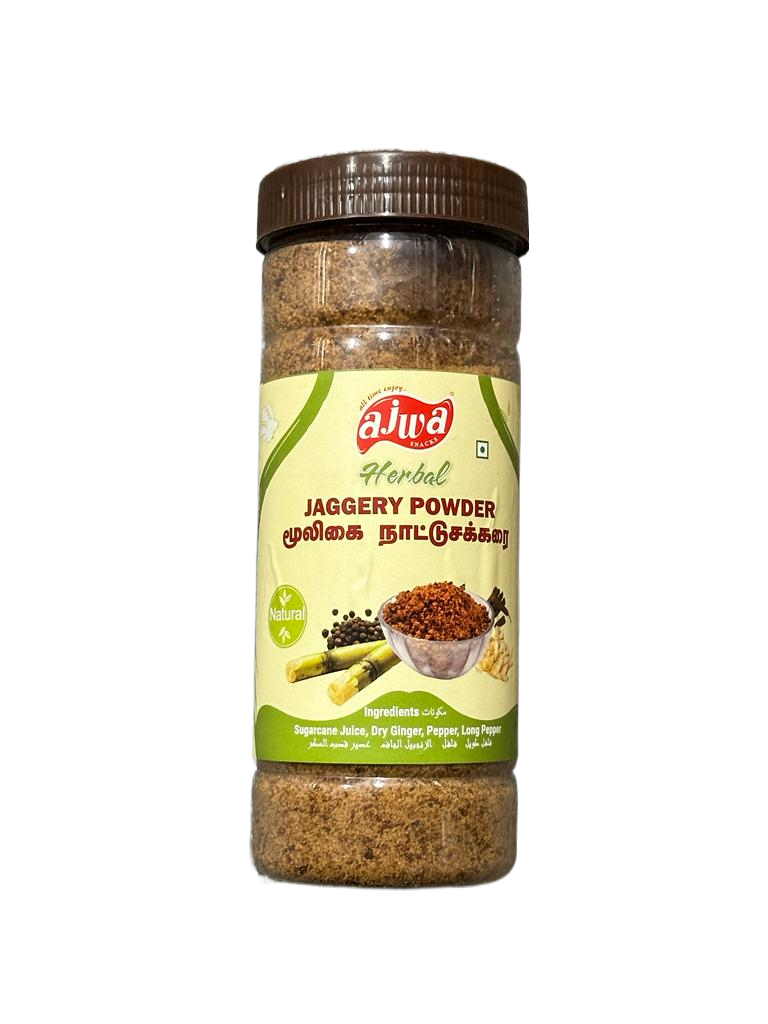
Jaggery Powder (Brown)
Jaggery Powder (Brown) is a finely ground form of traditional jaggery made from concentrated sugarcane juice. With its rich brown colour and deep caramel-like flavour, it offers the same authentic taste as solid jaggery while being more convenient to measure and use. Because it dissolves quickly, it is a popular choice for both everyday cooking and baking.
It is commonly used for:
- Sweetening tea, coffee, and other hot drinks
- Preparing desserts such as kheer, halwa, and ladoo
- Baking cakes, biscuits, muffins, and cookies
- Making smoothies, sauces, and marinades
- Adding natural sweetness to porridge, cereals, and homemade snacks
Jaggery Powder (Yellow)
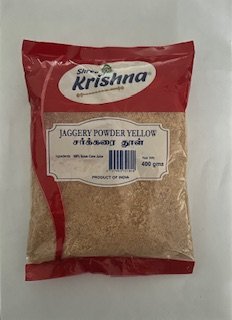
Jaggery Powder (Yellow) is a finely ground, ready-to-use form of traditional jaggery made from carefully processed sugarcane juice. Known for its light golden colour, mild sweetness, and smooth texture, it is a convenient pantry staple for everyday cooking. As it dissolves quickly, it is ideal for recipes where you want to add natural sweetness without the need to grate or break solid jaggery.
It is commonly used for:
- Sweetening tea, coffee, and traditional beverages
- Preparing desserts such as kheer, payasam, and pongal
- Baking cakes, muffins, biscuits, and other homemade treats
- Mixing into smoothies, porridge, and breakfast bowls
- Enhancing the flavour of sauces, chutneys, and everyday recipes
Organic Jaggery
Organic jaggery is produced from crops grown without synthetic pesticides or chemical fertilisers. For shoppers who prefer naturally produced food, it offers the same authentic taste while supporting organic farming practices.
When buying jaggery, don’t judge quality by colour alone. Many people assume darker jaggery is always better, but colour can vary naturally depending on the sugarcane variety and production method. Instead, look for products with a simple ingredient list, proper packaging, and a trusted brand.
Today, finding authentic varieties is much easier than it was a few years ago. Specialist retailers offering South Asian Groceries UK now stock a wide range of sugarcane, palm, and organic jaggery, giving shoppers access to traditional ingredients without needing to visit multiple stores.
Why Is Jaggery Becoming Popular in the UK?
Walk into a well-stocked South Asian grocery store today, and you will almost certainly find jaggery on the shelves. What was once considered a specialist ingredient has become much more accessible, thanks to growing interest in authentic cooking and the convenience of online shopping.
For many families, jaggery is more than just a sweetener-it is an ingredient closely connected with home cooking, celebrations, and recipes passed down through generations. At the same time, more people across the UK are discovering its unique flavour and incorporating it into both traditional and modern dishes.
Several factors have contributed to its growing popularity:
- Increasing interest in authentic South Asian cuisine.
- Greater demand for minimally processed pantry ingredients.
- Easier access through online grocery stores with UK-wide delivery.
- A growing appreciation for traditional cooking methods and ingredients.
- The popularity of homemade desserts, snacks, and regional recipes.
The rise of specialist food retailers has also played an important role. Instead of relying on local availability, shoppers can now order Natural Jaggery UK products online and have them delivered directly to their doorstep.
Jaggery is also becoming more visible alongside other traditional pantry staples. Customers shopping for Indian Sugar Products UK often purchase jaggery together with lentils, rice, flours, and spices to recreate authentic recipes at home.
Likewise, those buying Indian Spices & Masala in UK frequently discover that jaggery is used to balance flavours in many curries, chutneys, pickles, and sauces. Its gentle sweetness complements aromatic spices beautifully, creating the depth of flavour that traditional recipes are known for.
Whether you are an experienced home cook or someone exploring South Asian cuisine for the first time, sourcing authentic ingredients has never been easier. A trusted Sri Lankan Shop in UK or specialist online grocery retailer can provide everything needed to prepare classic family dishes with confidence.
As more households embrace authentic global flavours, jaggery continues to earn its place as a versatile pantry staple that blends tradition with everyday cooking.
Top Health Benefits of Jaggery
Jaggery has long been appreciated for more than its sweetness. In many South Asian households, it has traditionally been used in everyday cooking, festive recipes, and seasonal drinks because of its distinctive flavour and simple production process. While it should still be enjoyed in moderation like any sweetener, many people choose jaggery as an alternative to refined sugar because it is less processed and offers a richer taste.
It is important to remember that jaggery is not a health supplement or a replacement for a balanced diet. However, when used sensibly, it can be a flavourful ingredient that complements a wide variety of homemade dishes.
A Natural Alternative to Refined Sugar
One of the biggest reasons people choose jaggery is its traditional production method. Unlike refined sugar, which goes through several stages of processing, jaggery is made by slowly heating sugarcane juice or palm sap until it thickens naturally.
This simple process gives jaggery its:
- Rich caramel-like flavour
- Deep golden or brown colour
- Soft, earthy sweetness
- Traditional homemade appeal
Many home cooks prefer using jaggery because it does not simply make food sweeter-it adds character to a recipe. A spoonful in tea, porridge, or a homemade dessert creates a depth of flavour that refined sugar often lacks.
For anyone experimenting with authentic South Asian cooking, jaggery is an ingredient worth keeping in the cupboard.
Naturally Contains Essential Minerals
Because jaggery is less processed, it naturally retains small amounts of minerals that are removed during the refining of white sugar.
These may include:
- Iron
- Potassium
- Magnesium
- Calcium
Although these minerals are present, jaggery should not be considered a major source of daily nutrition. Most people use it in relatively small quantities, so its main value lies in its flavour rather than its nutritional contribution.
Choosing jaggery over refined sugar should be viewed as part of an overall balanced lifestyle rather than a shortcut to better health.
Brings Rich Flavour to Everyday Recipes
One of jaggery’s greatest strengths is its versatility. Its mellow sweetness works beautifully in recipes where plain sugar can sometimes taste one-dimensional.
It pairs especially well with ingredients such as:
- Ginger
- Cardamom
- Cinnamon
- Coconut
- Sesame
- Peanuts
- Tamarind
These combinations are commonly found in traditional South Asian cooking, creating layers of flavour that have been enjoyed for generations.
Many shoppers purchasing Indian Spices & Masala in UK often discover that jaggery is the ingredient that brings these spice blends together, adding a gentle sweetness that balances bold flavours without overpowering them.
A Popular Choice During Colder Months
As temperatures drop, many families enjoy warm drinks and comforting homemade dishes prepared with jaggery.
Across South Asia, it is commonly added to:
- Spiced milk
- Ginger tea
- Herbal drinks
- Rice puddings
- Warm porridges
Its rich flavour complements warming spices such as ginger, cloves, cinnamon, and black pepper, making it especially popular during autumn and winter.
Many families living in the UK continue these traditions, preparing recipes that remind them of home while introducing younger generations to familiar flavours.
A Versatile Ingredient for Balanced Home Cooking
Jaggery is not just reserved for celebrations. It fits naturally into everyday cooking and can be used whenever a recipe benefits from a softer, more rounded sweetness.
Many people enjoy it because it:
- Dissolves easily in hot drinks.
- Blends well into sauces and curries.
- Enhances traditional desserts.
- Adds depth to baked goods.
- Pairs beautifully with aromatic spices.
Rather than replacing every sweetener in the kitchen, jaggery offers another option for cooks who enjoy experimenting with authentic ingredients and traditional recipes.
Everyday Uses of Jaggery
One reason jaggery has remained popular for centuries is its incredible versatility. Whether you are preparing breakfast, baking a cake, or cooking a traditional family meal, it can be used in countless ways.
If you are buying Jaggery in UK for the first time, here are some of the most popular ways to use it.
Sweetening Tea and Coffee
Many people enjoy replacing white sugar with jaggery in hot drinks. Its natural caramel notes add warmth and depth, particularly in masala chai, ginger tea, and South Indian filter coffee.
For the best flavour, allow the drink to cool slightly before stirring in powdered or grated jaggery, as this helps preserve its distinctive taste.
Preparing Traditional South Asian Desserts
Jaggery is an essential ingredient in many much-loved desserts that have been enjoyed across generations.
Some favourites include:
- Kheer
- Gajar Halwa
- Ladoo
- Pongal
- Payasam
- Coconut sweets
Its rich sweetness blends beautifully with milk, coconut, rice, lentils, nuts, and aromatic spices, giving these dishes their authentic flavour.
Baking with Jaggery
Jaggery is not limited to traditional recipes. Many home bakers now use it to bring extra depth to everyday treats.
It works well in:
- Cakes
- Muffins
- Biscuits
- Banana bread
- Oat cookies
- Fruit loaves
Powdered jaggery is often the easiest option, as it mixes smoothly into batters and doughs.
Adding Sweetness to Smoothies
A small amount of grated or powdered jaggery can provide a gentle sweetness in homemade smoothies.
It pairs particularly well with:
- Banana
- Mango
- Dates
- Almond milk
- Oats
- Yogurt
Because of its distinctive flavour, only a small amount is usually needed.
Making Homemade Snacks
Jaggery is widely used in homemade snacks because it binds ingredients together while adding natural sweetness.
Popular examples include:
- Sesame brittle
- Peanut chikki
- Energy bites
- Granola bars
- Puffed rice treats
These simple recipes are easy to prepare and remain favourites in many households.
Balancing Chutneys and Sauces
One of jaggery’s lesser-known uses is in savoury cooking.
A small quantity can help balance the sharpness of ingredients such as tamarind, tomatoes, or vinegar without making a dish noticeably sweet.
It is commonly added to:
- Tamarind chutney
- Sambar
- Rasam
- Pickles
- Curry sauces
- Marinades
This subtle balance of sweet, spicy, and tangy flavours is one of the defining characteristics of many traditional South Asian recipes.
Whether you are shopping through Authentic South Asian Foods Online UK or visiting a specialist grocery store, keeping jaggery in your pantry opens the door to a wide variety of authentic recipes that can be enjoyed throughout the year.
How to Choose Quality Jaggery in the UK
Not all jaggery is produced to the same standard, so taking a few extra moments to check the product before buying can make a real difference. Whether you are using it for everyday cooking or preparing traditional festive recipes, choosing good-quality jaggery helps you enjoy its authentic flavour and texture.
If you are shopping for Jaggery in UK, here are a few simple things to look for before adding it to your basket.
| What to Check | Why It Matters |
| Ingredients | Choose products made from 100% jaggery with no unnecessary additives or artificial ingredients. |
| Colour | Natural jaggery ranges from golden brown to deep brown. Colour alone does not determine quality. |
| Texture | It should feel firm without being overly sticky or excessively moist. |
| Packaging | Sealed packaging helps protect the product from moisture and contamination. |
| Brand Reputation | Buying from trusted brands and reputable retailers offers greater confidence in quality and authenticity. |
| Expiry Date | Always check the best-before or expiry date to ensure freshness. |
Read the Ingredient List
One of the easiest ways to identify quality jaggery is by reading the label. Ideally, the ingredient list should be short and straightforward, containing only jaggery without unnecessary additives.
If you are unsure, choosing products from well-known brands or specialist retailers is usually a safer option than selecting unfamiliar products with limited information.
Don’t Judge Quality by Colour Alone
A common misconception is that darker jaggery is always better. In reality, the colour can vary depending on factors such as the type of sugarcane, the production process, and the cooking time.
Instead of focusing only on appearance, consider the overall quality of the product, including its packaging, texture, and the reputation of the supplier.
Choose a Form That Matches Your Cooking Style
Jaggery is available in several convenient forms, each suited to different recipes.
- Blocks – Ideal for traditional cooking and long-term storage.
- Powder – Perfect for baking, hot drinks, and quick mixing.
- Granules – Easy to measure and use in everyday recipes.
- Cubes – Convenient for portion control and beverages.
If you regularly prepare desserts or enjoy adding jaggery to tea or coffee, powdered jaggery can save preparation time as it dissolves more quickly.
Buy from Trusted Retailers
When shopping online, it is worth choosing retailers that specialise in authentic South Asian groceries. Established stores usually offer a wider range of trusted brands, clear product information, and reliable delivery across the UK.
Reading customer reviews can also help you understand how a product performs in real kitchens. Feedback about flavour, freshness, and packaging often provides useful insights before making a purchase.
How to Store Jaggery Properly
Buying good-quality jaggery is only part of the process. Storing it correctly helps preserve its flavour, texture, and freshness for longer.
Fortunately, jaggery does not require complicated storage. A few simple habits will help keep it in excellent condition.
Store It in an Airtight Container
Once opened, transfer jaggery to a clean, airtight container whenever possible. This helps protect it from moisture, dust, and strong food odours that may affect its flavour.
Glass jars or food-grade storage containers work particularly well for both blocks and powdered jaggery.
Keep It in a Cool, Dry Place
Heat and humidity can gradually affect the texture of jaggery. Store it in a cool cupboard away from direct sunlight, ovens, or other heat sources.
Avoid placing it near the cooker, where steam and changing temperatures may introduce excess moisture.
Protect It from Moisture
Moisture is one of the main reasons jaggery becomes sticky or begins to soften.
A few simple tips include:
- Always use a dry spoon.
- Reseal the packaging after every use.
- Keep the container tightly closed.
- Avoid storing it in damp areas of the kitchen.
These small steps help maintain both flavour and texture.
Should You Refrigerate Jaggery?
In most UK homes, refrigeration is not necessary if jaggery is stored correctly in a cool, dry place.
However, during warmer weather or if you have purchased a larger quantity, storing it in the refrigerator can help extend its freshness. If refrigerated, allow it to return to room temperature before grating or breaking it into smaller pieces, as this makes it easier to use.
Where to Buy Authentic Jaggery in the UK
Finding authentic jaggery is much easier today than it was a few years ago. Thanks to the growing popularity of traditional cooking, shoppers have access to a wide selection of quality products both in-store and online.
Many people start by visiting local Indian or South Asian grocery stores, where jaggery is often available alongside rice, lentils, flours, spices, and other everyday pantry essentials. These shops usually stock several varieties, including sugarcane jaggery, palm jaggery, and powdered options.
If you don’t have a specialist grocery store nearby, online shopping offers an equally convenient solution. Retailers specialising in Authentic South Asian Foods Online UK provide access to trusted brands with delivery across the country, making it easy to enjoy traditional ingredients wherever you live.
When browsing online, take a moment to compare product descriptions, customer reviews, and packaging details. Choosing a reputable supplier helps ensure you are receiving a fresh, authentic product that performs well in both traditional and modern recipes.
Many shoppers looking for South Asian Groceries UK also purchase jaggery alongside staples such as rice, lentils, flours, pickles, snacks, and spices, making it easy to stock the pantry in one order.
Whether you prefer shopping in person or online, buying from a trusted retailer gives you greater confidence in the quality, freshness, and authenticity of the ingredients you bring into your kitchen.
Why Choose Jaggery Instead of Refined Sugar?
Both jaggery and refined sugar are used to sweeten food, but they offer different flavours and are suited to different types of cooking. While refined sugar provides a clean, neutral sweetness, jaggery brings a deeper, caramel-like flavour that adds character to both sweet and savoury dishes.
The choice does not always have to be one or the other. Many home cooks keep both in their kitchen, using refined sugar for recipes that require a neutral taste and jaggery when they want a richer, more traditional flavour.
Here is a quick comparison to help you understand the differences.
| Jaggery | Refined Sugar |
| Minimally processed | Highly processed |
| Rich, caramel-like flavour | Neutral sweet taste |
| Naturally contains small amounts of minerals | Very limited natural minerals |
| Popular in traditional South Asian recipes | Commonly used in everyday baking and beverages |
| Available as blocks, powder, granules and cubes | Usually sold as granulated or caster sugar |
Ultimately, the best choice depends on the recipe you are preparing and the flavour you are hoping to achieve. If you are making traditional desserts, chutneys, curries or festive dishes, jaggery often delivers a more authentic taste.
Conclusion
Jaggery has been enjoyed for generations, and it is easy to see why. Its rich flavour, versatility, and traditional preparation make it much more than just another sweetener. Whether you are stirring it into a cup of chai, baking homemade treats, preparing festive desserts, or adding a touch of sweetness to savoury dishes, jaggery brings warmth and depth that refined sugar simply cannot replicate.
As authentic ingredients become more widely available across the UK, it is easier than ever to explore traditional recipes from the comfort of your own kitchen. Choosing quality jaggery from trusted retailers ensures you enjoy the authentic taste and freshness that make every recipe special.
At Global Foods, we are proud to offer a carefully selected range of authentic South Asian groceries, including premium-quality jaggery sourced from trusted brands. Alongside pantry essentials, you will also find rice, lentils, snacks, spices, flours, and many other ingredients that help bring traditional recipes to life.
Whether you are preparing everyday family meals or celebrating a special occasion, we are here to make authentic cooking simple, convenient, and enjoyable.
Contact Global Foods today to explore our range of traditional South Asian groceries and discover quality ingredients delivered across the UK.
Frequently Asked Questions (FAQs)
1. What is jaggery made from?
Jaggery is traditionally made by heating fresh sugarcane juice or palm sap until it thickens and solidifies. Because it undergoes minimal processing, it retains its distinctive caramel-like flavour and natural golden to dark brown colour.
2. Is jaggery healthier than refined sugar?
Jaggery is less processed than refined sugar and naturally contains small amounts of minerals such as iron, potassium, magnesium, and calcium. However, it is still a form of sugar and should be enjoyed in moderation as part of a balanced diet.
3. How can I use jaggery in everyday cooking?
Jaggery is incredibly versatile and can be used in:
- Tea and coffee
- Traditional desserts such as kheer and ladoo
- Baking recipes
- Smoothies
- Chutneys
- Curries
- Homemade snacks
Its rich flavour makes it suitable for both sweet and savoury dishes.
4. Where can I buy authentic jaggery in the UK?
Authentic jaggery is available from many Indian and South Asian grocery stores, as well as trusted online retailers that specialise in traditional pantry ingredients. Choosing reputable suppliers helps ensure product quality, freshness, and authenticity.
5. How should I store jaggery to keep it fresh?
For the best results:
- Store it in an airtight container.
- Keep it in a cool, dry place away from direct sunlight.
- Use a dry spoon when handling powdered jaggery.
- Refrigerate only if necessary during warmer conditions or for long-term storage.
Proper storage helps preserve both its texture and flavour for longer.
 Home
Home  Whishlist
  Compare
  Checkout
  Account