











No products in the cart.
Indian Spices & Masala UK: Essential Ingredients for Cooking
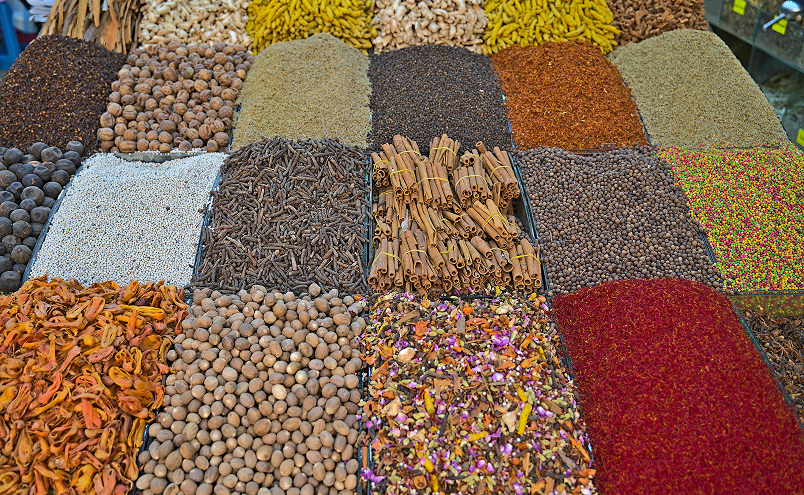
Walk through almost any town or city in the UK today, and you will quickly notice how deeply Indian food has become part of British life. From family-run curry houses and local takeaways to home kitchens, the flavours of India are enjoyed by millions across the country.
While ordering a curry is easy, recreating those authentic flavours at home often comes down to one thing: using the right spices and masalas. Ingredients such as turmeric, cumin, coriander, and garam masala form the foundation of countless traditional recipes and help create the rich aromas and flavours people love.
As demand for authentic ingredients continues to grow, more shoppers are exploring specialist stores for quality Indian Spices UK households can rely on. In this guide, you will discover the essential spices and masalas every kitchen should have, how to use them effectively, and tips for choosing and storing them correctly.
Why Are Indian Spices and Masalas So Important?
Indian cuisine is famous around the world for its depth of flavour. Unlike many dishes that rely on a single dominant seasoning, Indian recipes often combine several spices to create layers of taste that develop throughout cooking.
That is what makes the cuisine so enjoyable. Every bite can reveal something different.
The Role of Spices in Indian Cuisine
Spices are responsible for much more than heat.
They contribute:
- Aroma
- Colour
- Texture
- Warmth
- Balance
- Complexity
Think about the smell that fills the kitchen when cumin seeds hit hot oil or the golden colour turmeric gives to rice and curries. These ingredients create the sensory experience that makes Indian food so distinctive.
One of the reasons Indian cooking remains so popular is its ability to balance multiple flavour profiles at once.
A well-made dish may contain:
- Sweet notes
- Tangy elements
- Gentle heat
- Savoury depth
- Aromatic spices
The careful combination of spices allows these flavours to work together rather than compete with each other.
Single Spices vs Masala Blends
When people first start cooking Indian food, they often wonder whether they need individual spices or ready-made blends.
Single spices such as turmeric, cumin, coriander, and mustard seeds allow complete control over flavour. They give experienced cooks flexibility and precision when following traditional recipes.
Masalas are spice blends created for specific dishes or cooking styles. Instead of measuring several ingredients individually, a well-crafted masala combines them into one convenient mixture.
Benefits of using masala blends include:
- Faster meal preparation
- Consistent flavour
- Easier cooking for beginners
- Better balance between ingredients
Many households use a combination of both approaches, keeping essential spices alongside popular blends such as garam masala and biryani masala.
Essential Indian Spices Every UK Kitchen Should Have
You do not need a cupboard full of dozens of ingredients to cook great Indian food.
In fact, a small collection of versatile spices can help you prepare a wide variety of traditional dishes.
Quick Guide to Essential Spices
| Spice | Best Used In | Flavour Profile |
| Turmeric | Curries, rice, soups | Earthy and warm |
| Cumin | Lentils, vegetables | Nutty and smoky |
| Coriander | Curries, sauces | Fresh and citrusy |
| Mustard Seeds | Tempering, South Indian dishes | Sharp and aromatic |
| Red Chilli Powder | Curries and snacks | Spicy and bold |
| Cardamom | Desserts and tea | Sweet and fragrant |
Turmeric (Haldi)
Turmeric is often one of the first spices people recognise when exploring Indian cooking.
Its bright golden colour instantly transforms a dish, but turmeric offers far more than appearance alone. It provides a gentle earthy flavour that forms the foundation of countless recipes.
In many households, turmeric is used in:
- Vegetable curries
- Rice dishes
- Lentil recipes
- Marinades
- Soups
One common mistake beginners make is assuming turmeric should dominate a dish. In reality, it works best as a supporting ingredient that complements other spices.
A small amount usually goes a long way.
Cumin Seeds (Jeera)
Ask experienced home cooks which spice they could not live without, and cumin frequently appears near the top of the list.
Cumin seeds add warmth and depth that many people associate with traditional Indian cooking.
Whole cumin seeds are often fried briefly in oil at the beginning of cooking. This simple technique releases natural oils and creates a rich aroma that immediately elevates a recipe.
Ground cumin is equally useful and works particularly well in:
- Curry sauces
- Spice rubs
- Lentil dishes
- Vegetable recipes
Many people spend years trying to recreate restaurant flavours at home without realising cumin is often one of the key ingredients they are missing.
Coriander (Dhania)
Coriander is one of the most versatile spices found in Indian kitchens.
While cumin brings warmth, coriander contributes freshness.
Its mild citrus-like flavour helps balance stronger spices and prevents dishes from becoming too heavy.
You will commonly find coriander in:
- Curries
- Chutneys
- Marinades
- Masala blends
- Vegetable dishes
Many traditional recipes use both coriander and cumin together because they complement one another so well.
Mustard Seeds (Rai)
Mustard seeds are particularly important in South Indian cuisine.
At first glance they may seem insignificant, but once heated in oil they release a unique flavour that adds character and depth to a dish.
This process is known as tempering and remains one of the most important techniques in Indian cooking.
Common dishes that use mustard seeds include:
- Coconut-based curries
- Vegetable stir-fries
- Rice dishes
- Lentil recipes
If you have ever wondered why a homemade curry tastes slightly flat compared to a restaurant version, skipping tempering could be part of the reason.
Red Chilli Powder
Not all chilli powders are created equal.
Some varieties focus on colour, while others deliver intense heat.
A common misconception is that Indian food should always be extremely spicy. In reality, most traditional dishes aim for balance rather than overwhelming heat.
Red chilli powder is often used to:
- Enhance colour
- Add warmth
- Build flavour gradually
When cooking at home, it is usually best to add chilli in stages and adjust according to personal preference.
Cardamom, Cloves and Cinnamon
Few combinations are as instantly recognisable as cardamom, cloves, and cinnamon.
These whole spices are responsible for the rich aroma associated with many festive dishes and restaurant favourites.
If you have ever lifted the lid from a freshly cooked biryani and noticed an incredible fragrance filling the room, these spices are often responsible.
They are widely used in:
- Biryani
- Pulao
- Desserts
- Masala chai
- Rich curries
Together they create warmth, sweetness, and complexity without making a dish overly spicy.
Popular Indian Masala Blends Used in UK Homes
While individual spices are important, masalas often bring everything together.
Many UK households rely on these blends to simplify cooking while maintaining authentic flavour.
Garam Masala
Garam masala is arguably the most recognised spice blend in Indian cooking.
Although recipes vary by region and family tradition, common ingredients include:
- Cardamom
- Cloves
- Cinnamon
- Black pepper
- Coriander
- Cumin
Unlike many seasonings, garam masala is often added towards the end of cooking.
This helps preserve its aroma and provides a final layer of flavour that makes dishes feel complete.
Popular uses include:
- Chicken curry
- Vegetable curry
- Dhal
- Chickpea dishes
Curry Powder
Curry Powder despite its popularity in Britain, curry powder is not a traditional spice blend used universally across India.
Instead, it was developed as a convenient way to recreate Indian-inspired flavours.
That does not mean it lacks value.
For busy households, curry powder offers:
- Convenience
- Consistency
- Easy meal preparation
It works particularly well in quick weekday meals when time is limited.
Biryani Masala
Anyone who has attempted homemade biryani knows how difficult it can be to achieve the depth of flavour found in restaurant versions.
Biryani masala helps bridge that gap.
These blends typically combine aromatic spices that complement rice, vegetables, and meat without overpowering them.
A good biryani masala creates layers of flavour that develop throughout cooking, resulting in a dish that feels both rich and balanced.
Chaat Masala
Few spice blends are as unique as chaat masala.
Unlike traditional curry seasonings, chaat masala delivers a tangy, slightly salty flavour that instantly transforms simple foods. Many people are surprised by how little is needed to make a noticeable difference.
It is commonly sprinkled over:
- Fresh fruit
- Salads
- Crisps
- Yogurt-based dishes
- Street food snacks
A pinch of chaat masala can turn an ordinary bowl of fruit into something far more interesting. That is one reason it remains a favourite ingredient in many households.
Tandoori Masala
Tandoori masala is often associated with restaurant-style cooking, but it is equally useful in home kitchens.
The blend typically contains spices that work particularly well in marinades, helping create the bold flavours and vibrant colour many people associate with tandoori dishes.
Popular uses include:
- Chicken marinades
- Paneer recipes
- Vegetable skewers
- Grilled seafood
- Oven-baked dishes
For busy households, tandoori masala offers a simple way to create flavour-packed meals without spending hours preparing individual spice mixes.
Tips for Storing Indian Spices at Home
Even the highest-quality spices can lose their flavour if they are not stored correctly. Proper storage helps preserve freshness and ensures you get the best possible results every time you cook.
Keep Away from Heat and Sunlight
One of the most common mistakes people make is storing spices next to the cooker.
While it may seem convenient, constant exposure to heat and steam can reduce flavour much faster than expected.
For best results, store spices:
- In a cool cupboard
- Away from direct sunlight
- Away from ovens and hobs
- In a dry environment
Use Airtight Containers
Air and moisture are two of the biggest enemies of spice freshness.
Once opened, spices should ideally be transferred into airtight containers.
Benefits include:
- Longer shelf life
- Better flavour retention
- Reduced moisture exposure
- Stronger aroma when cooking
Glass jars with secure lids are often the preferred choice for long-term storage.
Buy the Right Quantity
Many shoppers are tempted by large value packs, but spices are best enjoyed while fresh.
If you only use a particular spice occasionally, buying a smaller pack may actually provide better value because the flavour remains stronger.
A practical approach is:
- Buy larger quantities of frequently used spices
- Purchase smaller packs of specialty ingredients
- Replace rarely used spices periodically
Check Freshness Regularly
A quick smell test can often tell you everything you need to know.
If a spice no longer has a strong aroma, it may be time to replace it.
Signs of declining freshness include:
- Faded colour
- Weak smell
- Clumping
- Reduced flavour when cooking
Common Cooking Mistakes to Avoid When Using Indian Spices
Even experienced cooks occasionally make mistakes when working with spices.
Fortunately, a few simple adjustments can dramatically improve your cooking results.
Using Too Much Spice
A common misconception is that authentic Indian food should always be extremely spicy.
In reality, many traditional dishes focus on balance rather than heat.
Adding excessive amounts of spice can overwhelm other flavours and reduce complexity.
Instead:
- Start small
- Taste as you cook
- Build flavour gradually
Skipping Tempering
Tempering is one of the simplest techniques in Indian cooking, yet it is often overlooked by beginners.
The process involves briefly heating whole spices in oil before adding other ingredients.
This helps release essential oils and creates deeper flavour throughout the dish.
Common spices used for tempering include:
- Cumin seeds
- Mustard seeds
- Curry leaves
- Fenugreek seeds
Not Toasting Whole Spices
Many restaurant kitchens lightly toast whole spices before grinding or cooking with them.
This simple step enhances aroma and brings out additional flavour notes.
Even a minute or two in a dry pan can make a noticeable difference.
Using Old Spices
Fresh spices do not just smell better-they perform better in recipes.
If your curry tastes flat despite following a recipe carefully, ageing spices could be the reason.
Replacing older ingredients often produces an immediate improvement.
Whole Spices vs Ground Spices
Many home cooks wonder which option is better.
The truth is both serve different purposes.
| Feature | Whole Spices | Ground Spices |
| Shelf Life | Longer | Shorter |
| Aroma | Stronger when freshly ground | Ready to use |
| Storage | Easier | Requires more care |
| Best For | Tempering and slow cooking | Quick recipes |
A balanced spice cupboard often includes both.
Whole spices provide maximum flavour, while ground versions offer convenience for everyday cooking.
Why UK Consumers Are Increasingly Choosing Authentic Indian Spices
Interest in authentic cooking has grown significantly across Britain.
More people are moving beyond generic curry recipes and exploring traditional ingredients from across South Asia.
Growing Interest in Home Cooking
Many households now enjoy preparing restaurant-inspired meals at home.
Cooking from scratch allows greater control over ingredients and creates a more rewarding dining experience.
Popular homemade dishes include:
- Chicken curry
- Chana masala
- Vegetable biryani
- Dhal
- Tandoori dishes
Demand for Traditional Flavours
Consumers today are more informed than ever.
Many can immediately recognise the difference between a dish made with fresh spices and one made with lower-quality alternatives.
As a result, demand for quality Indian Spices UK shoppers can trust continues to grow.
Better Access to Authentic Ingredients
Online grocery shopping has transformed the way people buy ingredients.
Products that were once difficult to find are now available nationwide.
This includes:
- Traditional spice blends
- Lentils and pulses
- Regional snacks
- Specialty rice
- Authentic Foods UK households enjoy for everyday cooking
Many shoppers also combine spices with Indian Sauces UK retailers stock for convenient midweek meals without sacrificing flavour.
The Influence of Britain’s Multicultural Food Scene
The UK’s diverse food culture has played a major role in introducing people to new ingredients and cooking styles.
Today, shoppers regularly explore products from India, Sri Lanka, Pakistan, and Bangladesh.
Specialist stores offering South Asian Food UK communities have enjoyed for generations continue to attract customers seeking genuine flavours and regional specialties.
Many consumers also discover unique products through a trusted Sri Lankan Shop UK retailer, helping broaden their culinary horizons even further.
Where to Buy Indian Spices & Masala UK
Choosing the right supplier can be just as important as choosing the right ingredients.
What to Look for in an Online Grocery Store
A reliable retailer should offer:
- Fresh products
- Transparent ingredient information
- Secure packaging
- Competitive pricing
- Positive customer reviews
Product Variety Matters
A good specialist store should stock more than just spices.
Look for retailers that offer:
- Rice varieties
- Lentils and pulses
- Snacks and sweets
- Pickles and chutneys
- Frozen foods
- Dried Foods UK families regularly use
- Regional ingredients from across South Asia
A broader selection allows customers to complete their shopping in one place.
Delivery and Customer Service
Before placing an order, consider:
- Delivery coverage
- Packaging quality
- Customer support
- Delivery times
- Customer reviews
Reliable service often makes the difference between a good shopping experience and a frustrating one.
Conclusion
Indian spices and masalas are the foundation of authentic home cooking, bringing flavour, aroma, and depth to countless dishes. From everyday curries to special occasion biryanis, the right ingredients can make all the difference.
By choosing quality Indian Spices UK shoppers trust and storing them correctly, you can create delicious meals with confidence and enjoy more authentic flavours at home.
At Global Foods, we offer a wide range of spices, masalas, pantry staples, and South Asian groceries to help you recreate traditional recipes with ease.
Contact Global Foods today and explore our collection of authentic ingredients delivered across the UK.
Frequently Asked Questions (FAQs)
1. What are the most essential Indian spices for beginners?
Turmeric, cumin, coriander, red chilli powder, and mustard seeds are the most essential Indian spices for beginners. These ingredients are used in many traditional dishes and provide a solid foundation for everyday cooking.
2. How long do Indian spices stay fresh?
Whole spices can stay fresh for up to two years, while ground spices are best used within six to twelve months. Proper storage helps preserve their flavour and aroma for longer.
3. What is the difference between garam masala and curry powder?
Garam masala is an aromatic spice blend typically added at the end of cooking, while curry powder is usually added during cooking and contains a wider mix of spices, including turmeric.
4. Are whole spices better than ground spices?
Whole spices generally stay fresh longer and offer stronger flavour when freshly ground. Ground spices are more convenient and work well for quick everyday recipes.
5. Can I buy authentic Indian spices online in the UK?
Yes, many specialist online grocery stores offer authentic Indian spices and masalas with UK-wide delivery, making it easy to enjoy traditional flavours at home.
 Home
Home  Whishlist
  Compare
  Checkout
  Account