









No products in the cart.
Indian Pickles in UK: A Guide to Traditional Flavours
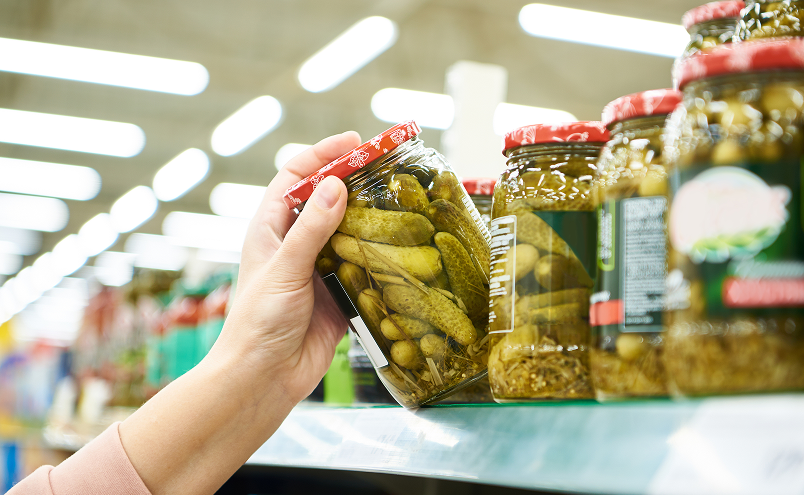
Every family has a food that instantly brings back memories of home. For many people, that food is a jar of traditional Indian Pickles in UK, known as achaar. Whether it is served with a simple plate of rice and dal or enjoyed alongside freshly made parathas, a spoonful of pickle can transform an everyday meal into something rich in flavour and tradition.
As Britain’s love for international cuisine continues to grow, more households are discovering the appeal of authentic Indian pickles. While members of the South Asian community have long considered them a pantry essential, they are now finding a place in kitchens across the UK as adventurous home cooks explore new ingredients and regional recipes. From the sharp tang of lime pickle to the bold spice of mango pickle, these classic condiments add depth, colour, and character to countless dishes.
Finding authentic products has also become much easier than it was a decade ago. Instead of relying on occasional supermarket selections, shoppers can now browse trusted South Asian Groceries UK retailers that specialise in regional foods and everyday cooking essentials. Whether you are recreating a cherished family recipe or trying Indian cuisine for the first time, quality pickles help deliver the authentic flavours that make homemade meals so memorable.
In this guide, you will learn what makes Indian pickles unique, discover the most popular varieties available in Britain, and find practical tips for choosing the right one for your kitchen.
What Are Indian Pickles?
Indian pickles, commonly known as achaar, are among the oldest preserved foods in South Asian cuisine. Unlike many Western-style pickles, which are usually preserved in vinegar and flavoured with herbs, traditional Indian recipes rely on a carefully balanced combination of oil, salt, spices, and natural ingredients. The result is a condiment that’s bold, aromatic, and packed with layers of flavour.
Across India, every region has its own interpretation of achaar. In the north, spicy mango and chilli pickles are household favourites, while southern states are well known for recipes featuring ginger, lime, and mixed vegetables. These regional differences reflect local ingredients, cooking traditions, and family recipes that have been passed down through generations.
The preparation process is just as important as the ingredients themselves. Fresh fruit or vegetables are coated in a blend of spices before being preserved in mustard or sesame oil. Over time, the flavours mature naturally, creating the rich taste that traditional pickles are known for. It is also perfectly normal to see a layer of oil sitting at the top of the jar. Rather than being a sign of poor quality, it helps protect the pickle and maintain its freshness.
Many home cooks enjoy serving these pickles alongside dishes prepared with authentic Indian Spices UK, creating meals that capture the flavours of traditional Indian kitchens.
Why Indian Pickles Are Popular in the UK
The demand for authentic South Asian ingredients has grown steadily across the UK, and Indian pickles are no exception. They are no longer enjoyed only by those who grew up with them. Food lovers from a wide range of backgrounds now appreciate the depth of flavour these traditional condiments bring to everyday cooking.
One reason for their popularity is the comfort they offer. For many families, a familiar pickle completes a meal and brings back memories of home-cooked food shared with parents and grandparents. At the same time, people who are new to Indian cuisine often discover that adding a small spoonful of pickle is one of the easiest ways to introduce authentic flavours into simple dishes.
Britain’s multicultural food scene has also made regional ingredients far more accessible. Cities such as London, Birmingham, Leicester, Manchester, and Glasgow are home to specialist food retailers, while online stores now make authentic groceries available to customers nationwide. A trusted Sri Lankan Shop in UK or dedicated South Asian grocery retailer often stocks a much wider selection of regional pickle varieties than a typical supermarket, making it easier to explore different flavours from across the Indian subcontinent.
Another reason for their growing appeal is versatility. A single jar can complement dozens of meals, making it a valuable addition to any pantry.
Popular pairings include:
- Steamed rice with dal
- Chapatis and rotis
- Stuffed parathas
- Vegetable curries
- Biryani
- Dosa and idli
- Khichdi
- Curd rice
Because the flavours are so concentrated, even a small serving can completely change the character of a meal without overpowering the main dish.
Popular Types of Indian Pickles Available in the UK
One of the pleasures of shopping at a specialist grocery store is discovering how many different styles of pickle are available. Each variety reflects the ingredients and traditions of its region, offering something unique for every taste preference. If you are new to Indian pickles, trying a few different flavours is the best way to find your favourite.
Mango Pickle
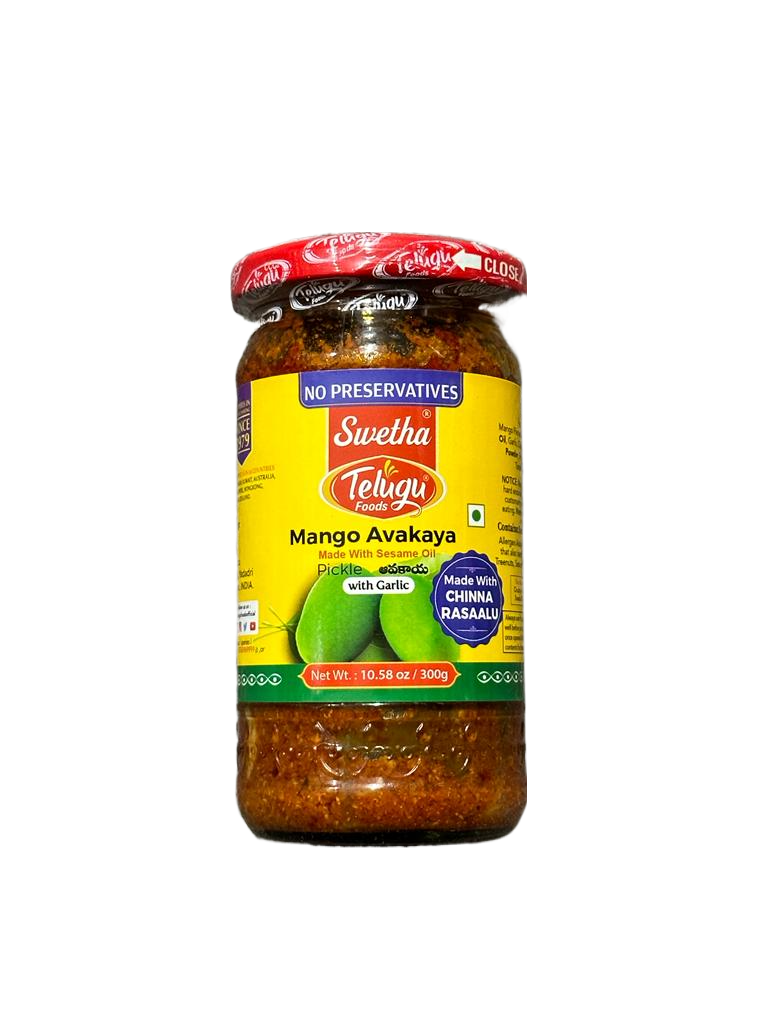
Mango pickle is often the first variety people reach for, and with good reason. Made from raw green mangoes blended with mustard oil and aromatic spices, it delivers a satisfying combination of tangy, spicy, and savoury flavours.
Its versatility makes it a pantry staple in many households. A spoonful pairs beautifully with dal and rice, stuffed parathas, or even a simple chapati. If you are trying Indian pickles for the first time, mango pickle is an excellent starting point because its flavour complements a wide range of traditional meals.
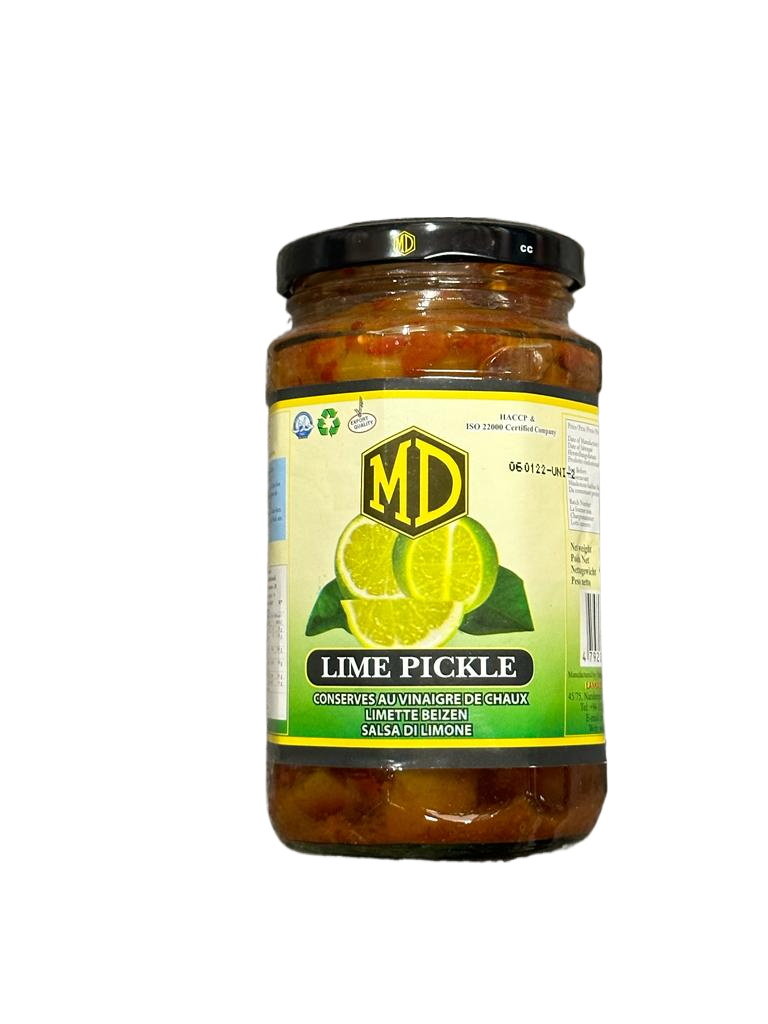
Lime Pickle
Lime pickle offers a brighter, citrus-forward flavour that balances sharpness with warming spices. Depending on the recipe, it can be mildly sweet, pleasantly tangy, or intensely spicy, giving every region its own distinctive version.
It is particularly well suited to rich curries, vegetable dishes, pulao, and savoury snacks such as pakoras or samosas. The refreshing citrus notes help cut through richer foods, creating a balanced and satisfying meal.
Mixed Vegetable Pickle
Mixed vegetable pickle showcases the diversity of Indian home cooking. Seasonal vegetables such as carrots, cauliflower, green chillies, and turnips are carefully blended with traditional spices before being preserved to develop their full flavour.
Because each vegetable absorbs the spice mixture differently, every bite offers something slightly different. It is an excellent choice for family meals and works especially well with chapatis, lentil curries, rice dishes, and homemade wraps.
Garlic Pickle
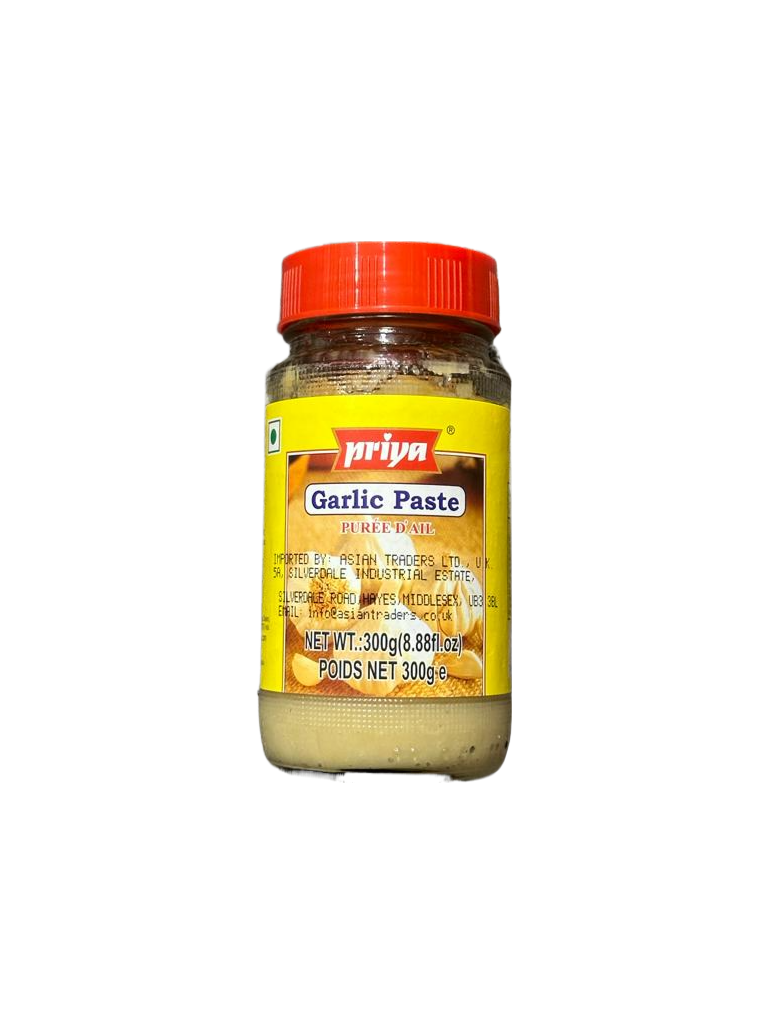
For anyone who enjoys richer, more robust flavours, garlic pickle is well worth exploring. Whole garlic cloves slowly absorb mustard oil and aromatic spices during the pickling process, creating a deep savoury taste with just the right amount of warmth.
This variety complements jeera rice, vegetable pulao, rotis, and stuffed breads particularly well. It can also add an extra layer of flavour to simple home-cooked meals where only a small amount is needed.
Chilli Pickle
Chilli pickle is a favourite among those who appreciate bold, spicy flavours. Prepared using fresh green or red chillies, it offers heat balanced by fragrant spices and natural acidity rather than overwhelming sharpness.
A little goes a long way, making it ideal for breakfast parathas, dosas, fried snacks, sandwiches, or rice dishes. If you enjoy adding a touch of spice to everyday meals, chilli pickle is a versatile option to keep in your cupboard.
Ginger Pickle
Ginger pickle is especially popular in South Indian cuisine and is known for its distinctive balance of sweetness, spice, and tanginess. Fresh ginger provides a warming flavour that is complemented by carefully selected spices and natural souring ingredients.
It is traditionally served with dosa, idli, curd rice, pongal, and upma, but it also works well alongside lighter rice dishes. Many people appreciate its fresh taste, particularly when paired with breakfast or vegetarian meals.
Indian pickles also sit perfectly alongside other traditional pantry essentials, including Indian Sauces UK, Indian Cooking Pastes UK, and Indian Chutneys UK. Together, these products make it easier to prepare authentic dishes at home while enjoying the rich and varied flavours that have made South Asian cuisine so popular across Britain.
Popular Indian Pickles Comparison
| Pickle Type | Flavour Profile | Best Served With |
| Mango Pickle | Tangy, spicy | Rice, dal, parathas |
| Lime Pickle | Tangy, citrusy | Curries, rotis, snacks |
| Mixed Vegetable Pickle | Spicy, savoury | Chapatis, lentils, rice |
| Garlic Pickle | Rich, aromatic | Jeera rice, rotis, pulao |
| Chilli Pickle | Hot and spicy | Biryani, breakfast dishes, snacks |
| Ginger Pickle | Sweet, tangy | Dosa, idli, curd rice |
Traditional Ingredients Used in Indian Pickles
The distinctive taste of Indian pickles comes from a carefully balanced blend of natural ingredients rather than a single spice. Each component plays an important role in creating the rich flavour, preserving freshness, and giving every regional recipe its own character. Although ingredients may vary from one household to another, most authentic recipes follow the same traditional principles that have been used for generations.
One of the reasons these pickles remain so popular is the quality of the ingredients. Fresh fruits or vegetables are combined with aromatic spices, edible oils, and natural seasonings before being left to mature over time. This slow process allows the flavours to develop naturally, resulting in a condiment that complements both simple and elaborate meals.
Many of the spices used in pickles are the same pantry staples found in authentic Indian Spices UK collections. When combined with other cooking essentials such as Indian Sauces UK, Indian Cooking Pastes UK, and Indian Chutneys UK, they help create meals that reflect the rich diversity of South Asian cuisine.
Traditional Ingredients and Their Purpose
| Ingredient | Purpose |
| Mustard Oil | Adds authentic flavour while helping preserve the pickle naturally. |
| Red Chilli Powder | Provides colour, warmth, and varying levels of heat. |
| Mustard Seeds | Contributes a distinctive aroma and slight sharpness. |
| Fenugreek Seeds | Adds depth with a mild bitterness that balances tangy ingredients. |
| Turmeric | Enhances colour while supporting natural preservation. |
| Salt | Helps extend shelf life by reducing moisture. |
| Garlic & Ginger | Introduce bold, aromatic flavours and complement the spice blend. |
| Lemon Juice or Vinegar | Adds tanginess while improving freshness and longevity. |
Every family recipe has its own unique balance of ingredients. Some regions prefer a spicier blend with extra chilli, while others create milder pickles that highlight the natural flavour of mangoes, limes, or vegetables. This variety is one of the reasons Indian pickles remain a favourite across generations.
How to Enjoy Indian Pickles with Everyday Meals
Indian pickles are incredibly versatile and can be enjoyed with far more than traditional curries. Even a small spoonful can add contrast, spice, and acidity to everyday dishes, making simple meals more satisfying.
If you are introducing Indian pickles into your kitchen for the first time, there is no need to overthink how to serve them. Start with familiar dishes and experiment with different varieties until you find combinations that suit your taste.
Here are some classic pairings enjoyed in many households.
| Meal | Recommended Pickle |
| Steamed Rice & Dal | Mango Pickle |
| Paratha | Lime Pickle |
| Chapati | Garlic Pickle |
| Curd Rice | Ginger Pickle |
| Khichdi | Mixed Vegetable Pickle |
| Dosa & Idli | Ginger Pickle |
| Biryani | Chilli Pickle |
While these pairings are traditional favourites, there is plenty of room for creativity. Mango pickle can add extra flavour to wraps, sandwiches, or jacket potatoes, while lime pickle works surprisingly well with grilled vegetables and barbecue dishes. Garlic pickle also makes an excellent accompaniment to roasted meats or hearty rice bowls.
If you are serving guests who are new to Indian cuisine, mango pickle is often the easiest variety to introduce. Its balanced combination of tanginess and spice appeals to a wide range of tastes and pairs well with many popular dishes.
Health Benefits of Traditional Indian Pickles
Indian pickles are primarily enjoyed for their bold flavours, but many of their traditional ingredients have long been valued in South Asian cooking. While they should always be eaten in moderation because of their salt content, they can still form part of a balanced diet when served alongside wholesome meals.
One of their biggest advantages is that a little goes a long way. Just a small serving is often enough to enhance the flavour of an entire plate, meaning you don’t need large quantities to enjoy their distinctive taste.
Many authentic recipes include spices such as turmeric, mustard seeds, fenugreek, garlic, and ginger, all of which have been used in traditional cooking for centuries. Certain varieties are also naturally fermented, allowing their flavours to develop gradually during the pickling process.
It is worth remembering that traditional pickles differ from heavily processed condiments. Authentic recipes typically focus on simple ingredients, time-tested preparation methods, and carefully balanced spice blends rather than artificial flavourings.
For the best experience, enjoy Indian pickles as a flavourful accompaniment rather than the main component of a meal. Pairing them with fresh vegetables, lentils, rice, or wholegrain breads creates a balanced and satisfying dining experience.
How to Choose Quality Indian Pickles in the UK
With so many brands available today, choosing the right pickle can feel overwhelming. Whether you are shopping online or visiting a specialist grocery store, knowing what to look for will help you find products that deliver authentic flavour and excellent quality.
Check the Ingredients
A quality pickle should contain recognisable ingredients such as fruit or vegetables, edible oil, spices, and salt. Shorter ingredient lists often indicate a more traditional recipe.
Choose Authentic Brands
Established Indian and South Asian brands have spent decades refining their recipes and are often trusted by families who have enjoyed their products for generations. Exploring different regional brands is also a great way to experience new flavours.
Look at the Packaging
A well-sealed jar helps preserve freshness and prevents contamination. Before purchasing, check that the lid is secure and the packaging is free from damage.
Read the Product Label
Labels provide useful information about ingredients, spice levels, allergens, and storage recommendations. Taking a few moments to read them can help you choose a pickle that matches your preferences.
Buy from Specialist Grocery Stores
Although some supermarkets stock a limited selection of Indian pickles, specialist retailers usually offer a much broader choice. A trusted South Asian Groceries UK store or reputable Sri Lankan Shop in UK often carries regional varieties, premium brands, and authentic pantry essentials that are difficult to find elsewhere.
Consider Your Preferred Flavour
If you are buying Indian pickles for the first time, start with mango or lime pickle, as these are among the most versatile options. Once you are familiar with their flavour profiles, you can explore garlic, ginger, chilli, and mixed vegetable varieties to discover new favourites.
Selecting a quality pickle is not just about choosing the most popular brand-it is about finding a flavour that complements your cooking style and the meals you enjoy preparing at home. Authentic ingredients, trusted retailers, and careful preparation all contribute to a better dining experience.
Tips for Storing Indian Pickles
A good-quality pickle can retain its flavour for months when stored correctly. Traditional recipes are naturally preserved with oil, salt, and spices, but proper storage is still essential to maintain their taste, texture, and freshness after opening.
Whether you have chosen a classic mango pickle or a regional speciality, following a few simple practices will help you enjoy every jar at its best.
Keep the Lid Tightly Sealed
Always close the jar immediately after use. A tightly sealed lid helps keep out air and moisture, preserving the flavour and quality of the pickle for longer.
Use a Clean, Dry Spoon
This is one of the simplest yet most important storage tips. Always use a clean, dry spoon when serving pickles. Introducing moisture or food particles into the jar can reduce its shelf life and affect the flavour over time.
Store in a Cool, Dry Place
Before opening, most Indian pickles can be kept in a kitchen cupboard away from direct sunlight and heat. Excessive warmth may alter the texture and gradually reduce the quality of the spices and oil.
Refrigerate if Recommended
Some brands recommend refrigeration after opening, while others can remain safely stored in a cool cupboard. Always follow the storage instructions printed on the label for the best results.
Allow the Oil to Cover the Pickle
It is completely normal to notice a layer of oil on top of many authentic pickles. In fact, this protective layer helps preserve freshness and allows the ingredients to mature naturally. There is no need to remove it before serving-simply stir gently if required.
With proper care, a quality pickle can remain a delicious addition to your meals long after the jar has been opened.
Where to Buy Authentic Indian Pickles in the UK
Finding authentic Indian pickles has become much easier in recent years. While some major supermarkets stock a limited selection of popular varieties, specialist grocery retailers usually offer a much broader range of regional flavours, trusted brands, and everyday cooking essentials.
Shopping with a dedicated South Asian Groceries UK retailer gives you access to products that are often difficult to find elsewhere. Whether you are looking for mango pickle, lime pickle, garlic pickle, or regional specialities, specialist stores are more likely to carry authentic recipes made using traditional ingredients.
A reputable Sri Lankan Shop in UK can also be an excellent place to explore complementary products, including spices, chutneys, sauces, snacks, and pantry staples that help recreate authentic South Asian meals at home.
When choosing an online grocery store, consider the following:
- A wide selection of regional pickle varieties.
- Well-known Indian and South Asian brands.
- Clear product descriptions and ingredient information.
- Secure packaging to protect glass jars during delivery.
- Reliable UK-wide delivery.
- Fresh stock with regularly updated inventory.
- Responsive customer service if you need product advice.
Shopping online also allows you to compare flavours, spice levels, and regional recipes at your own pace, making it easier to discover new favourites without visiting multiple stores.
Why Choose Global Foods for Indian Pickles?
Finding authentic ingredients should not be difficult, especially when you are preparing meals that remind you of home or introducing your family to new flavours. At Global Foods, we are committed to making authentic South Asian grocery shopping simple, convenient, and reliable for customers across the UK.
Our carefully selected range includes traditional Indian pickles from trusted brands, giving you access to authentic flavours that complement everyday cooking. Whether you enjoy the bold taste of mango pickle, the refreshing tang of lime pickle, or the rich flavour of garlic pickle, you will find options to suit every preference.
Beyond pickles, we stock a wide variety of pantry essentials, including Indian Spices UK, Indian Sauces UK, Indian Cooking Pastes UK, Indian Chutneys UK, rice, lentils, snacks, frozen foods, fresh produce, and much more. This allows you to complete your grocery shopping in one place without compromising on quality or authenticity.
Customers choose Global Foods because we offer:
- An extensive range of authentic South Asian groceries.
- Trusted Indian and Sri Lankan food brands.
- Fresh products sourced from reliable suppliers.
- Secure packaging for safe nationwide delivery.
- Competitive prices and convenient online ordering.
- A simple shopping experience designed for customers throughout the UK.
Whether you are preparing a traditional family meal or exploring new regional recipes, Global Foods makes it easier to bring authentic flavours into your kitchen.
Conclusion
Indian pickles are far more than simple condiments. They represent generations of culinary tradition, regional diversity, and family recipes that continue to bring bold flavours to everyday meals. From spicy mango pickle to tangy lime pickle and aromatic garlic pickle, every variety offers its own unique character while complementing a wide range of dishes.
As authentic South Asian ingredients become increasingly accessible across Britain, it is never been easier to explore regional flavours and discover new favourites from the comfort of your home. Choosing quality products from trusted retailers ensures you enjoy the authentic taste, freshness, and craftsmanship that make these pickles so popular.
We at Global Foods are proud to offer a carefully selected range of authentic Indian pickles alongside a complete collection of South Asian grocery essentials to help you prepare delicious meals with confidence. Whether you are shopping for everyday pantry staples or searching for regional favourites, we are here to make your online grocery experience simple and enjoyable.
Contact Global Foods today to explore our extensive range of authentic groceries and enjoy convenient UK-wide delivery straight to your doorstep.
Frequently Asked Questions (FAQs)
1. Which Indian pickle is the most popular in the UK?
Mango pickle remains one of the most popular choices because of its balanced combination of tangy, spicy, and savoury flavours. It pairs well with rice, curries, parathas, and many everyday meals.
2. Are Indian pickles suitable for vegetarians?
Most Indian pickles are suitable for vegetarians as they are made using fruits or vegetables, spices, oil, and salt. However, it is always worth checking the product label for ingredients and allergen information before purchasing.
3. How long do Indian pickles last after opening?
Shelf life varies depending on the brand and storage recommendations. Keeping the jar tightly sealed, using a clean, dry spoon, and following the storage instructions on the label will help maintain freshness for longer.
4. What foods pair best with Indian pickles?
Indian pickles are traditionally served with rice, dal, chapatis, parathas, biryani, dosa, idli, curd rice, and vegetable curries. They can also add flavour to wraps, sandwiches, and grilled dishes.
5. Where can I buy authentic Indian pickles in the UK?
Authentic Indian pickles are available from specialist South Asian grocery retailers and reputable online stores that stock trusted regional brands. Shopping with a dedicated retailer gives you access to a wider variety of authentic products than is typically available in mainstream supermarkets.
 Home
Home  Whishlist
  Compare
  Checkout
  Account